book review

Exploring Magical Realism in _Spells for Forgetting_

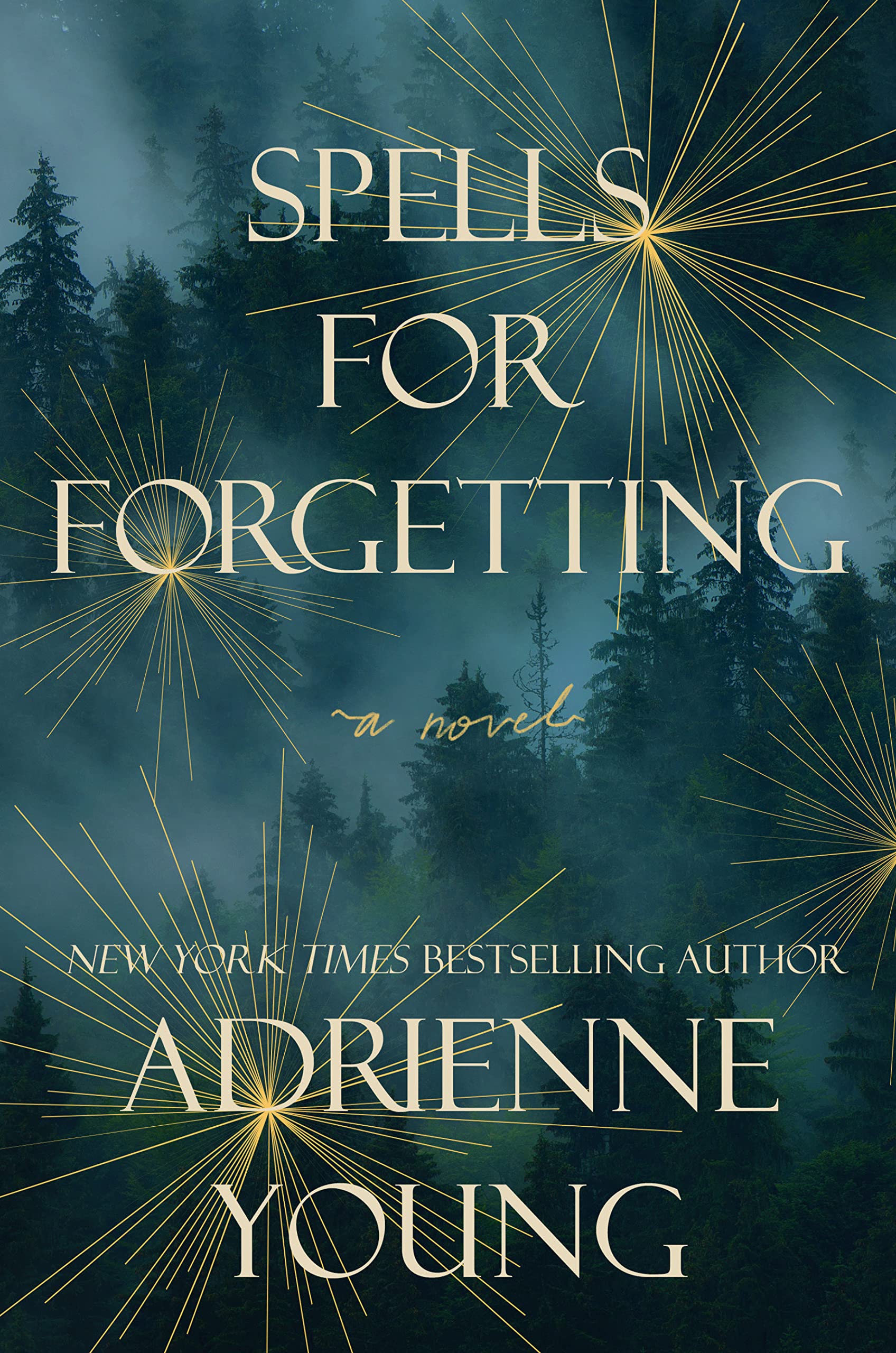
Spells for Forgetting by Adrienne Young
Genre: literary fiction/ magical realism
I read it as a(n): hb
Length: 350 pp 
Her Grace’s rating: 4 stars

The residents of Saoirse Island, WA, are a different group of people. They are insular, some of them to the point of xenophobia, yet they are almost entirely dependent on the tourists who come to the island to pick apples from its gigantic orchard. Every person on the island is tied in one way or another to the orchard. So when the orchard burned nearly to the ground and a teen died, folks did what they felt was necessary – ostracized the boy who seemed responsible, forcing him and his mother out of the community, and then never spoke of it again. That is, until that boy, now a man, returns to the island to bury the ashes of his mother. August Salt’s return to the island stirs up memories and secrets most want to leave buried except for Emery Blackwood, the girl August left behind.

Saoirse is an island that wraps itself around the lives of its people, dictating their fates in ways that feel inescapable. It is ironic since Saoirse means freedom in Irish, but it’s anything but free for some of the islanders who are bound by the weight of history, tradition, and unsolved mysteries. For those who live there, leaving is never really an option. Even when they manage to get away, as one of the characters does, they are always drawn back, like a magnet pulling them to confront what has been left unresolved. It is not really an ominous sense, though, as the island protects many who need it, and wreaks havoc on others who deserve it. Also? I love it when there is an inanimate object that is a fully fledged character in its own right. Saoirse Island is certainly that.

In magical realism, the blending of the ordinary with the extraordinary is seamless, and Spells for Forgetting exemplifies that perfectly. Saoirse is full of magic, but it’s a kind of magic that feels like part of the natural world. It just exists, like the air or the tides, and nobody questions its existence. The magic is tied to the land itself, the orchard in particular. The island breathes life into this magic, and just as it holds the people in its grip, it also holds their power. This is why the women, especially the older women, are so central to the story. Their knowledge of magic isn’t learned in books or schools—it’s passed down through the generations, grandmother to granddaughter, like a family secret. 

In folklore, older women tend to hold a special place when they aren’t relegated to the role of witch or wicked stepmother. They are the keepers of tradition, the wise ones who hold knowledge that others don’t understand or respect until it’s too late. But Spells for Forgetting subverts this role in an interesting way. Yes, the grandmothers are the teachers, the ones who understand the magic and the island, but they are also trapped by it. The island’s magic is as much a burden as it is a gift. It binds them to Saoirse just as much as it empowers them, and in this way, they are not the all-knowing, all-powerful figures of traditional folklore. Instead, they are characters shaped by the same constraints and fears as everyone else, forced to carry the weight of the island’s secrets and never able to escape its influence. 

The role of women in the story, particularly in the context of magical realism, highlights the balance between empowerment and imprisonment. Their connection to the island, through magic, bloodlines, and tradition, gives them strength but also makes them part of Saoirse’s pull. While folklore often celebrates the wisdom of old women, Spells for Forgetting shows the price of that wisdom—knowledge of the island’s magic comes with a cost, and freedom, in the true sense of the word, is not part of the bargain. 

In this way, the island itself becomes the ultimate character, shaping and controlling the lives of everyone who resides there. Its magic is subtle, but Saoirse is a constant reminder that what should be freedom is, in reality, a kind of beautiful, inescapable prison. The natural elements—earth, water, wind, and fire—aren’t just parts of the scenery but active forces that tie the people to the island, just as much as the magic and the folklore do.

book review

Catch-up reviews

Romeo + JulietRomeo and Juliet by David Hewson
Genre: Historical fiction
I read it as a(n): audiobook
Narrator: Richard Armitage
Length: 11:05:00
Her Grace’s rating: 5 out of 5 stars

Hewson took the Bard’s play and turned it into a narrative historical fiction. I loved the touches of actual history, such as talking about the Borgia Pope or the occasional outbreak of bubonic plague. Beginning with this story, or reading it in tandem with the play, would make it so much more fun for high school students just learning about Shakespeare. That, and let them swear all they want if they use only Shakespearean swears. 

I listened to this as an audiobook and now I would listen to Richard Armitage read the phone book if that was all that was available. 

Seveneves by Neal Stephenson
Genre: SF
I read it as a(n): audiobook
Narrator: Mary Robinette Kowal and Will Damron
Length: 30:00:00
Her Grace’s rating: 3 out of 5 stars

I really wanted to love this book but I only mostly liked it. I really enjoyed the first three-quarters or so of it. All the parts where they were figuring out the logistics of getting as many people off Earth as they could before the Hard Rain began. I liked the complexities of the politics and the more sciency aspects of the story. Once the plot jumped ahead in time, though, I lost interest. I didn’t like the characters as much then and felt that ending the novel before the time jump would have made it ambiguous and generally better.

The Invisible HourThe Invisible Hour by Alice Hoffman
Genre: magical realism
I read it as a(n): hardback
Length: 252 pp
Her Grace’s rating: 5 out of 5 stars


Alice Hoffman does it again – a magical and lyrical story about a woman just trying to do the best she can for her child. Problem is, she gets sucked into a cult, which is not good for anyone. Her daughter takes stock of the life she leads and makes her own decisions from there. It is full of Hoffman’s typical atmosphere of magic hovering just at the edge of your vision. I loved it so much.

A Stitch in Time by Andrew Robinson
Genre: SF/ Star Trek DS9
I read it as a(n): audiobook
Narrator: Andrew Robinson
Length: 12:28:00
Her Grace’s rating: 5 out of 5 stars

This may very well be a perfect audiobook. Andrew Robinson, who authored and narrated this, also played Garak. So having him be Garak while reading Garak’s story to us is just *chef’s kiss* to this Trekkie. 

Screenshot 2023-10-16 160640

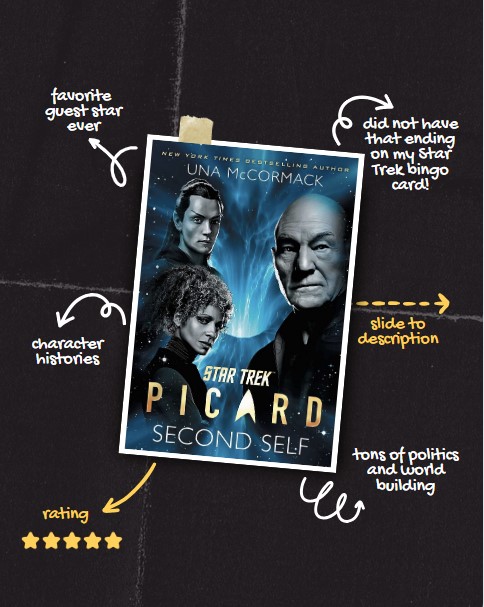
Second Self by Una McCormack
Genre: SF/ Star Trek Picard
I read it as a(n): hardback
Length: 305 pp
Her Grace’s rating: 5 out of 5 stars


Another terrific story and it happened also to feature Garak. I didn’t realize when I started reading it that he was in this one. So I accidentally had a Garak readalong of some kind. This one was a wonderful insight into Raffi’s character. I liked the dual timeline and how it resolved at the end, though McCormack went and killed one of the best characters in the book and that made me sad.  

Girls and Their Horses by Eliza Jane Brazier
Genre: contemporary/mystery
I read it as a(n): hardback
Length: 400 pp
Her Grace’s rating: 4 out of 5 stars


Toxic horse rich person environment on full display! I burned through this book – I am an adult lady who loves horses and horse books – but even if it wasn’t about horses, the writing style made it imminently readable. I enjoyed the mystery, lowly finding out who the dead person was in the barn and who killed them. I figured that all out before the end, though whodunnit was easier to figure than whohaditduntothem. 

Mercy Rule by Tom Leveen
Genre: YA
I read it as a(n): hardback
Length: 436 pp
Her Grace’s rating: 5 out of 5 stars

When I first bought this book, I had thought it was a horror since the other books my Tom Leveen I’ve read were horror. So I was a bit confused at first. But it didn’t matter because this is one of the best, most anxiety-making books I read this year. Told from multiple points of view, it is the events and wind-up to a school shooting. Every character was unique and well-crafted – they were all individual people, not one of whom was a blank or someone you could confuse with another. I liked most of them, except a couple that maybe you weren’t supposed to, and one in particular was my very favorite. Heartbreaking book, but a very necessary story to read. 

book review

Catch-Up Post: First Frost, Minimalista, The Sun Down Hotel, Cover Story, A Woman is No Man

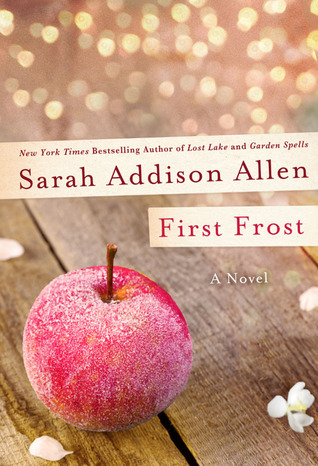
First Frost by Sarah Addison Allen

Genre: contemporary it/ magical realism

I read it as a(n): paperback

Length: 294 pp

Her Grace’s rating: 4 out of 5 stars

The Waverley women are just a little different. They each have a talent that is unexplained, such as Claire being able to bake health into her food, or Bay always knowing where things and people belong. They have an apple tree that blooms out of season and that throws apples at people it doesn’t like. I want an apple tree like that.

This was a sweet and magical read about family, finding one’s own place, and necessary changes. The tone reminds me of Practical Magic, which is a high compliment. It is only the second book I’ve read by Sarah Addison Allen but I have loved them both and plan to read more by her.

Minimalista by Shiri Gill

Genre: nonfiction/ minimalism

I read it as a(n): hardback

Length: 308 pp

Her Grace’s rating: 5 out of 5 stars

I can’t remember where I heard about this book but I’m big on minimalism – heh. I made a pun – and the way this book was broken down appealed to me. Even though I have my own ideas for how to minimize my home, I always like to learn about other techniques and how other people do it. I learned a few new tips and tricks in this book, which had some terrific commentary and lovely photos. 

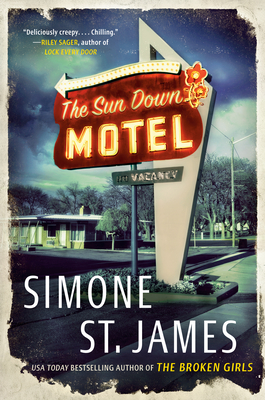
The Sun Down Motel by Simone St. James

Genre: horror

I read it as a(n): hardback

Length: 326 pp

Her Grace’s rating: 3 out of 5 stars

The Sun Down Motel was supposed to be a money-maker for its owners, who were banking on the fact that a theme park was going to be built in the small town of Fell, NY and it would become a tourist destination. But the theme park fell through and was never built, the Sun Down Motel fell into disrepair, and now it’s only fit for the ghosts and the men who made them. 

I’m not generally a fan of horror – I can’t suspend my disbelief long enough to buy into the paranormal – but this was a pretty fun read. It was mostly a mystery following 2 generations of women. There were ghosts but they were mostly there to help and didn’t take up a ton of time on the page.

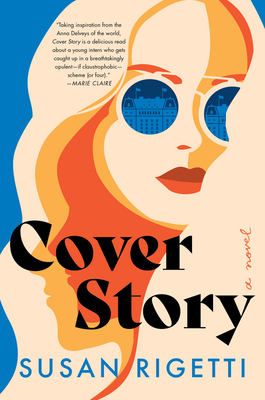
Cover Story by Susan Rigetti

Genre: contemporary lit/ mystery

I read it as a(n): hardback

Length: 354 pp

Her Grace’s rating: 2 out of 5 stars

If Catch Me If You Can met The Devil Wears Prada and Inventing Anna, you would have this book. Lora wants nothing more than to become a writer and an editor at ELLE magazine. She’s thrilled when she lands an internship at ELLE, where she promptly falls in with Cat Wolff, a contributing editor and mysterious socialite. 

I liked that this story was told through Lora’s diary entries, emails between a few people, and FBI investigation documents. Mostly, though, there was absolutely nothing original about this story at all. It was a fast read, at least, but I suspected the ending about a quarter through, and figured it out entirely well before the end. 

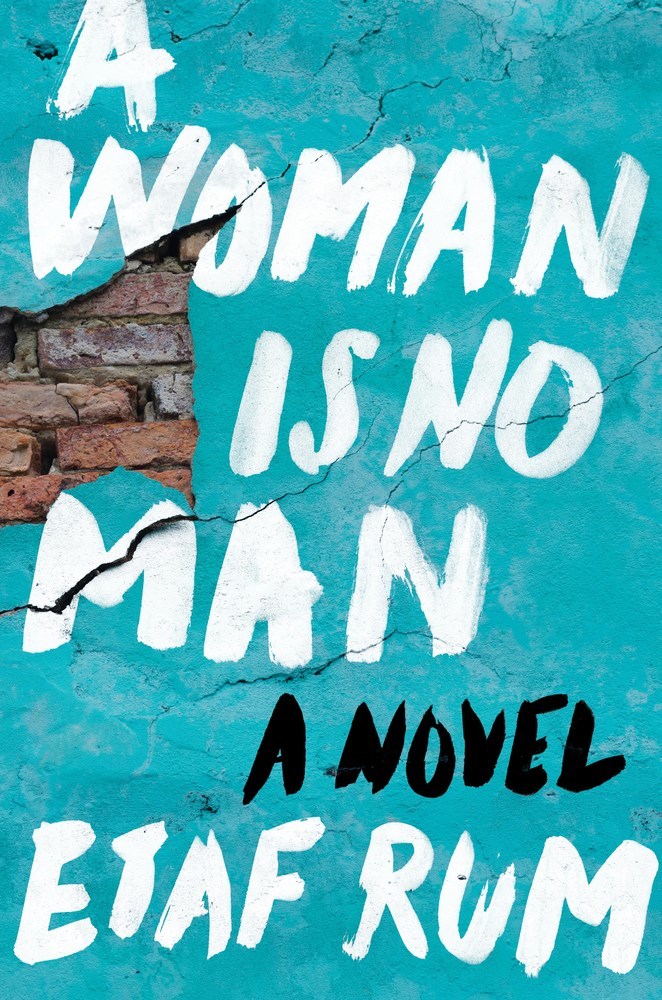
A Woman Is No Man by Etaf Rum

Genre: contemporary fiction

I read it as a(n): hardback

Length: 337 pp

Her Grace’s rating: 3 out of 5 stars

A sort of dual timeline story about Isra, a young Palestinian woman whose arranged marriage brings her to Brooklyn, and her daughter, Deya, who is rebelling against the cultural expectations she is facing with her own arranged marriage looming. 

This was well written and I think it’s important to have novels that explore the experiences of women living in conservative and/or fundamental religious cultures. It was, however, fucking relentlessly depressing and I would kill myself if I had to live the lives of any of the women depicted in this story.

book review · fantasy

The Book of Magic

The Book of Magic by Alice Hoffman

Genre: magical realism

I read it as a(n): hardback

Length: 383 pp

Her Grace’s rating: 4 out of 5 stars

In this fourth and final novel in Hoffman’s Practical Magic series, readers see Kylie and Antonia Owens, the daughters of Sally Owens, as young women living their lives in ignorance of their family’s history as bloodline witches. When the entire extended family gathers for a funeral, Antonia and Kylie learn of their magical heritage. Antonia, the logic-driven med student, scoffs and blows it off. Kylie is intrigued, and becomes involved up to her neck when her boyfriend is hit by a car and hovers between life and death. 

Taking off to England with Faith Owens’s dark grimoire in hand, Kylie is determined to break the curse that has followed her family for generations. Hot on her heels is her mother Sally, her aunt Gillian, and other family and friends met along the way. They learn what is important and just how much they are willing to sacrifice for those they love.

This was a great end to the Practical Magic series. I will miss reading more about the Owens women, but am grateful that I have the four books in the series to revisit when I feel the need for a fix of Tipsy Chocolate Cake and witchery. I also found recipes for both the chocolate cake AND the black soap that both sound honestly nice, so I’m going to make those one of these days and have myself a proper day of witchiness. 

It was nice to spend time with Kylie and Antonia and get to know them more. As expected, both strong and independent women. But we spent as much time, too, with the aunts, Sally and Gillian, and their long-lost grandfather Vincent. Adding to the cast is Ian Wright, a professor of history and magic, and Tom Lockland, a distant relative, each man with agendas of their own.

For me, this book dragged just a little in the middle, which is why I gave it 4 stars and not 5 stars. I got a little bored with some of the things Kylie and Antonia (mostly Antonia) were doing and it felt a little long. But it didn’t last long and it picked up again and gave way to a fantastic journey across England, through history, and through the human heart. Highly recommended!

Favorite lines (possible spoilers!):

  • Some stories begin at the beginning and others begin at the end, but all the best stories begin in a library.
  • Curses are like knots, the more you struggle to be free, the tighter they become, whether they’re made of rope or spite or desperation.
  • But stories change, depending on who tells them, and stories are nothing if you don’t have someone to tell them to.
  • “If you can’t eat chocolate cake for breakfast, what’s the point of being alive?” Franny said.
  • There are some things you have only once in a lifetime, and then only if you’re lucky.
  • When Kylie and Antonia were growing up, their mother had told them if they were ever lost it was always best to find their way to a library.
  • “There are no witches,” Antonia said. “Only people who want to burn them.”
  • “Do you think I’m a fool” “No, I think you’re a witch.” “Then you’re not so stupid after all.”
  • “If it isn’t written down, it will likely be forgotten,” Isabelle had told her. That was why women had been illiterate for so long; reading and writing gave power, and power was what had been so often denied to women.
  • A woman with knowledge, one who could read and write, and who spoke her own mind had always been considered dangerous.
  • If a woman doesn’t write her own history, there are very few who will.
  • It never hurt to have some assistance from a sister, and this was a simple spell that had been used by women since the beginning of time, with words that resembled the wild clacking of birds when they were spoken aloud.
  • What a life she had, most of it unexpected. She would not have it any other way, not even the losses. This life was hers and hers alone.
  • Love was inside every story. 
  • Her love was the fiercest part about her. 
  • The Book of the Raven was meant to go to the next woman who needed it. It might sit on the shelf for another three hundred year or it might be discovered the very next day, either way it would continue to live, for people often find the books they need.
  • Once, a long time ago, before we knew who we were, we thought we wanted to be like everyone else. How lucky to be exactly who we were. 
  • Women here in Massachusetts had been drowned and beaten and hanged, especially if they were found to have access to books other than the Bible…
book review

The Invisible Life of Addie LaRue

The Invisible Life of Addie LaRue by VE Schwab

Genre: fantasy

I read it as a(n): hardback

Length: 444 pp

Her Grace’s rating: 1.5 out of 5 stars

SPOILERS BELOW!!

Adeline “Addie” LaRue, a young woman in 1714 rural France, is being forced to marry. Only she does not want to marry, not this guy and not anyone else for now. In desperation, she begs and makes a deal with one of the Old Gods for more time. It helps to be specific when asking for things from genies or Old Gods because Addie is now immortal. The price of her immortality is that she can leave no mark upon the world. She can’t write, make art, not even say her own name. Everyone instantly forgets her as soon as she leaves their sight. Except one day, about 300 years later, one person doesn’t forget her. 

I think the premise of this novel was awesome. I’m sure everyone, at one point or another, has wondered what it would be like to live forever. Personally, I would hate it unless my daughter was immortal along with me. Kind of like heaven. Why the fuck would anyone want to go there and be stuck for all eternity with people you don’t like, or not to be able to help someone you love if you see them in trouble, or not to see loved ones ever again if they didn’t win a ticket to the cloud house? Pass, thanks.

Anyway, the premise was interesting and I think there are a ton of fascinating ways the novel could have gone. Unfortunately, nothing of the sort happened. 

Addie would have seen amazing things in her long life, yet she herself was not at all interesting. I thought she was boring AF. I’d forget her instantly, too. She had 300 years and all she did was travel to the same handful of places, learn a few all-Western languages, and bitch and moan about things. She could have visited the entire world, learned languages that weren’t some variation of a romance language, maybe even found a way to be an anonymous yet generous benefactor in some way to kids or a starving artist or something, despite her inability to leave a mark on the world. She could have chosen to remember some major historic events from an eyewitness POV. French Revolution? That was interesting. American Revolution? Yeah, Washington wasn’t as tall as people think. The Civil War and subsequent Jim Crow era, the Japanese surrender in 1945, the launch of the first Sputnik rockets, the Tiananmen Square Massacre, the politics of the Belgian Congo, the Rwandan Genocide. SO MANY things she could have seen and discussed. Instead, she wanders around stealing books and thinking incessantly about herself.

Henry was equally forgettable. He was a bland, boring man, though honest kudos to Schwab for trying to have a discussion about depression through his character. We need open and frank talks about mental health and any genuine attempt to do so is worthy of praise. But maybe make him interesting while also talking about depression. He just kind of wandered through the story and had no real purpose except to be the person who remembers Addie. 

Luc, the Old God sort of creature who Addie made her Faustian deal with, was physically sexy. But there the interest ended. We are supposed to believe he is some kind of god but he has a weird fetish with Addie? With making her suffer because he has nothing better to do? He didn’t even torment her to give readers any sort of character development. And then he and Addie end up together? After all that? OMG Stockholm Syndrome much? She wanted more time and not to have to be with anybody forever and then she ends up with Luc? Schwab sets up the plot for a sequel, but I was too bored and irritated by this to ever bother with a sequel. 

I have seen the writing described as beautiful, amazing, vivid, and so on. I wonder if I was reading the same book. Yes, there were some parts that were very nicely detailed and described. But there was also a LOT of repetition. If it was supposed to be vivid or whatever, I feel it missed the mark. If it was to subtly underscore the repetitive and boring nature of eternal life, then well done, mission accomplished. 

TL;DR version: Self-centered forgettable immortal woman thinks constantly about herself while stealing books, traveling to the same handful of places, learning a few Western-only languages, not witnessing many historical events or, apparently, meeting anyone who isn’t white until 2014. Wave off this one if you’re on the fence about reading it. So yeah, unpopular opinion, I guess. But I didn’t think this one was at all worth the hype.

book review · books · historical fiction

The Witch’s Daughter

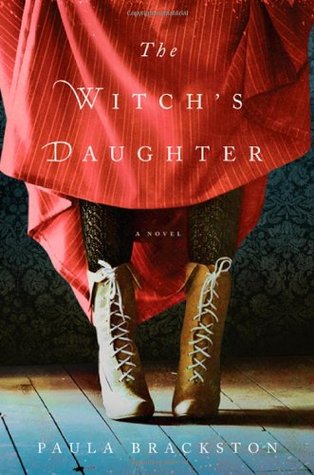
the witch's daughterThe Witch’s Daughter by Paula Brackston (Website | Twitter)

Genre: magical realism

Setting: Batchcombe, Wessex

I read it as a(n): paperback

Source: my own collection 

Length: 403 pp

Her Grace’s rating: 3 out of 5 stars

Bess Hawksmith is a young woman when the Great Plague of 1666 swept through her small village of Batchcombe. Naturally, the bereaved townsfolk need a scapegoat to blame for the losses they suffered. Bess’s mother, Anne, is a healer, so bingo! She must be a witch! The townsfolk round her up, along with another old woman who is a midwife, and hang them. The thing is, Anne really was a witch, and so is Bess. Bess flees and spends the next several centuries (she’s effectively immortal) running both from the memory of the horrific persecution as well as from the warlock who made a deal with the devil to give Bess her supernatural powers. Living a solitary life, Bess eventually finds a kindred spirit in young Tegan, a lonely teen who is drawn to Bess and her energy. But in taking Tegan under her wing, Bess inadvertently puts her in danger from Gideon, the man who has been hunting her throughout the years.

This one was, for me, SUPER slow to start. I almost quit. But then it picked up around chapter 4 or 5 and it was a very fast read from there out. I enjoyed this story a lot, though I don’t think it really had anything too unique about it. It was fairly predictable at the end, but the journey getting to the end was worth the read. I have a particular fondness for the Victorian Era, so I enjoyed that section the most. The bit from World War I was awful (an awful experience, not an awful read or awful writing). I don’t know much about that war, nor about the Battle of Passchendaele specifically, but it was an interesting, if sad and gory, part of the book. 

Overall, I think the characters were fairly well developed, but I’m not sure how much growth they really showed. Bess did mature and became a wise woman, but once she reached her maturity, she kind of stalled out. Gideon was consistently wicked but he was not a Bad Boy kind of character to me. I usually like those. Gideon was more like a cancerous presence to be cut out of a life rather than one who held any real attraction. Tegan was just a regular teen and didn’t really show anything other than that. Which is fine. They all worked for the story.

I think readers who enjoy Sarah Addison Allen or Alice Hoffman will enjoy this book. SAA and AH have more complex characters and richer storytelling, but I do think PB will get there eventually as well.

book review

Magic Lessons

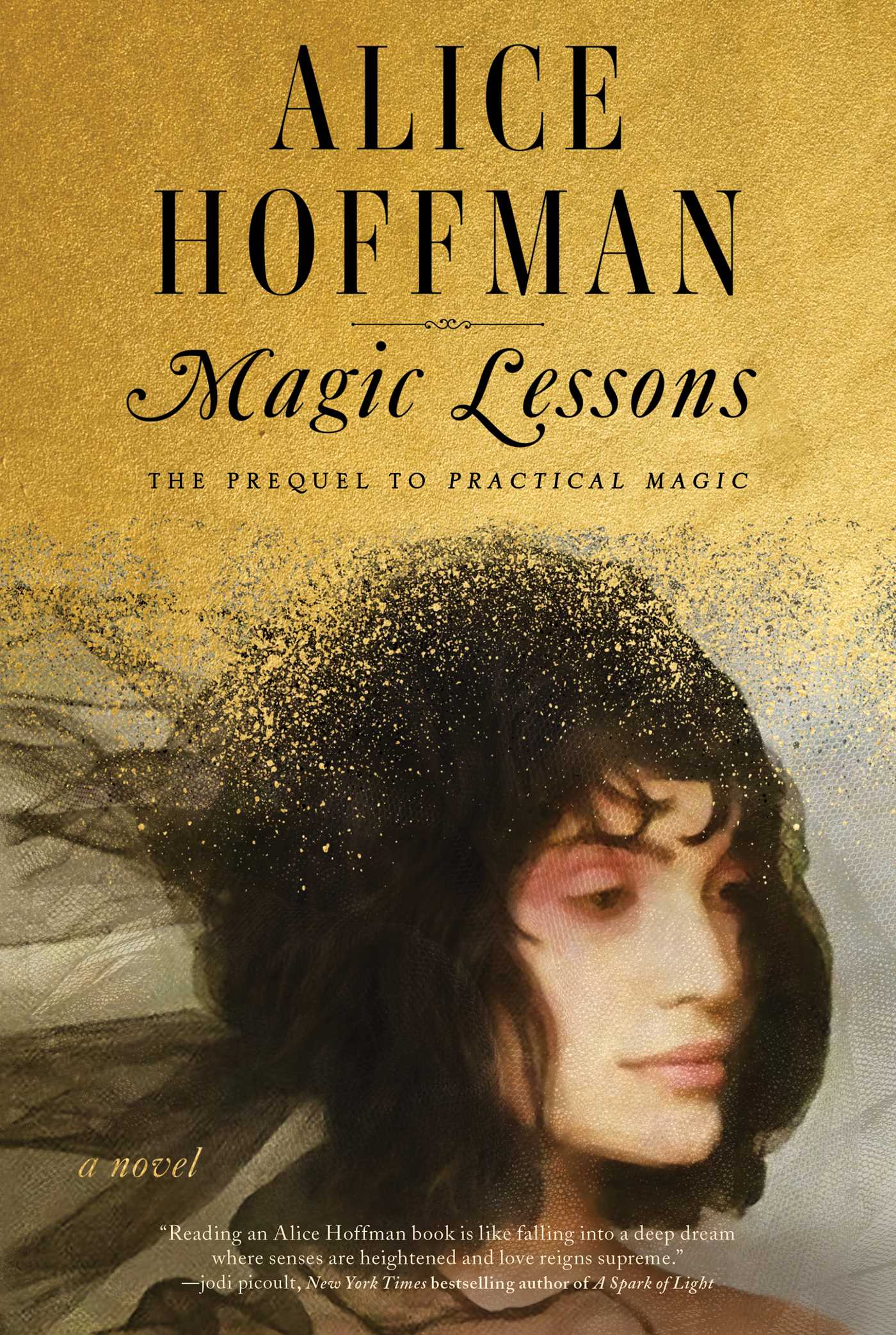
Magic LessonsMagic Lesson by Alice Hoffman (Website | Twitter | IG)

Genre: magical realism

Setting: New England Colonies

I read it as a(n): hardback

Source: my own collection 

Length: 396 pp

Published by: S&S

Her Grace’s rating: 4 out of 5 stars

At long last, the story of Maria Owens, the witch they couldn’t hang. Maria was abandoned as an infant in Essex County, England, where she was found and raised by the kind hearted Hannah Owens. Hannah taught Maria all she knew of healing and folk magic, but Maria, as it happens, was a witch by birthright. All Hannah taught to her was compounded by her latent magic talent. When a horrific tragedy occurs, Maria flees England for Curacao. There, she finds love and follows that to New England. And the rest, as they say, is history. Or is it magic?

I fucking love the Practical Magic series. I could probably conclude my review with that. But I’m also a sucker for a good back story, which this is. I always wanted to know what happened to Maria, how she got tricked by a man who left her, where she was from, and where she went after her failed hanging. I could talk about those things. I could talk about Maria’s history, her experiences, what she learned and taught. I could talk about the history of witch trials and women’s power. But I think it would be better for you to go read it and find out for yourself why this is such a great book. 

Favorite lines/ scenes/ characters (potential spoilers!):

  • This was true magic, the making and unmaking of the world with paper and ink (13). 
  • “Never be without thread,” she told the girl. “What is broken can also be mended” (55).
  • Tell a witch to go, and she’ll plant her feet on the ground and stay exactly where she is (164). [Yep. Don’t tell me what to do.]
  • Tell a witch to bind a wild creature and she will do the opposite (184). [I told you, don’t tell me what to do!]
  • Arnold, the horse who belongs to the peddler Jack Finney, is my favorite. He is a good boy.
  • These are the lessons to be learned. Drink chamomile tea to calm the spirit. Feed a cold and starve a fever. Read as many books as you can. Always choose courage. Never watch another woman burn. Know that love is the only answer (396).
book review · books · fantasy

Mexican Gothic

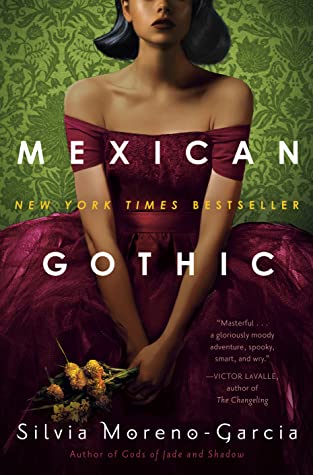
mexican gothicMexican Gothic by Silvia Moreno-Garcia (Website, Twitter, IG)

Genre: Gothic fantasy

Setting: 1950s Mexico

I read it as a(n): hardback

Source: my own collection

Length: 301 pp

Her Grace’s rating: 3 out of 5 stars

Noemi Taboada is a young socialite in 1950s Mexico City. Her father is a wealthy merchant and the head of the family. As such, he is concerned about image and avoiding scandal. So, when his niece Catalina sends a letter to him that sounds completely unhinged, he wants to get to the bottom of that and fix whatever needs fixing before it hits the society pages in the newspaper. He sends Noemi to visit Catalina in her husband’s home manor of High Place in the remote Mexican countryside. Things go downhill from there. 

I really loved the first part of this novel. It was everything a proper Gothic novel should be – eerie, mysterious, dark, neglected, and so on. Very much felt like a Mexican Jane Eyre. I kind of lost the Gothic feel around 2/3 of the way through, when I think it felt more like a straight horror novel than Gothic. That said, I still really loved all of it, it just felt like it switched genre a little bit in the middle there. I wouldn’t even care that much except I’m not a huge fan of horror. 

I thought Noemi was a very believable character. She was sort of shallow and vain at first, but then we learn she wants to go to university to get a master’s degree in anthropology. She is something of a flirt and prefers the chase or courtship to being caught in her relationships, but she is self-aware enough to know it. She had hidden depths that reveal themselves nicely throughout the novel. She was a really well-developed character.

I didn’t think that so much about Catalina. I know that her flat personality was actually a part of the plot, but the glimpses we got from Noemi’s perspective about her were not really enough to give her much depth or make her into a fully-fleshed person in the story for me. She felt more like a prop than a person. 

The rest of the characters – Virgil, Francis, Florence, and Howard – were suitably developed for the roles they played in the novel. I don’t think they were super deep but they all did have certain nuances to their personalities and were fine for the purposes they served.

I especially loved how the house, High Place, was described. It was in the tradition of the best Gothic manor homes, like a cross between Thornfield Hall and the Haunted Mansion. Old, dusty, neglected, falling apart, mouldy, and of course it had a cemetery! Minus the mould, I would love to have a house like that. I’d put just enough money into it that it had proper amenities but keep the abandoned Gothic feel. 🙂 

Overall, I thought this was a fun read. Didn’t blow me away, but it was fun. Would certainly recommend.

book review · historical fiction

Once Upon a River

Once Upon a RiverOnce Upon a River by Diane Setterfield (Website, Twitter)

Genre: magical realism/ historical fantasy

Setting: mid-late 1800s

I read it as a(n): hardback

Source: my own collection / BOTM Club

Length: 464 pp

Published by: Atria Books (pub date)

Her Grace’s rating: 5 out of 5 stars

Once Upon a River is the tale of a young girl who drowned, and then didn’t. There is an inn that is known for its storytelling, which is where the drowned girl and her rescuer end up. Her story spreads from there and she becomes three different girls who have all gone missing. The lives of a photographer, a healer, a farmer, and a pub owner all become entwined because of their connections, real or otherwise, to the drowned girl.

I honestly don’t want to write an in-depth review of this book. I fucking LOVED it and don’t want to have to think too closely about it. It was a fairy tale wrapped in a mystery set in a historical fiction. I never wanted it to end, and when it did, I wanted to forget all about it so I could read it again for the first time. The writing was gorgeous – truly evocative of fairy tales – and the characters were well defined and complex, every one of them. The setting was ephemeral and had very much an otherworldly feel to it, which was perfect for the story. I had too many favorite lines and scenes, so I only put a couple below. Otherwise, I’d just be copying down the entire book. I can’t describe it, just go read it for yourself. You will not be sorry you did!


Favorite part/ lines (spoilers!):

  • ‘The Swan was a very ancient inn, perhaps the most ancient of them all. It had been constructed in three parts: one was old, one was very old, and one was older still’ (3). 
  • ‘She could lift barrels without help and had legs so sturdy, she never felt the need to sit down. It was rumored she even slept on her feet, but she had given birth to thirteen children, so clearly she must have lain down sometimes’ (5). 
  • The discussion about the word one ought to use to describe a person rowing very quickly up a river. Can’t be haring because hares don’t go in row boats. Can’t be ottering because that sounds worse than haring. It was a very serious discussion.
  • ‘There was a general hubbub of conversation between the windows as the story was discussed, its missing pieces identified, attempts made to fill them in…Fred began to feel left out of his own tale, sensed it slipping from his grasp and altering in ways he hadn’t anticipated; now it had slipped the leash and was anybody’s’ (46)
  • ‘They sat on the bank. It was better to tell such stories close to the river than in a drawing room. Words accumulate indoors, trapped by walls and ceilings. The weight of what has been said can lie heavily on what might yet be said and suffocate it. By the river the air carries the story on a journey: one sentence drifts away and makes room for the next’ (361).
  • ‘While the water lay unperturbed and indifferent all around, the women at the Swan were engaged on the human pursuits of dying and being born. On one side of the wall Helena struggled to deliver her baby into life. On the other side, Joe struggled to depart it. The little Margots got on with everything that needed to be done so that life could be begun and so that it could be ended’ (417).
  • ‘There must be more to stories than you think’ (431).
  • ‘And though eventually there came a day when the man himself was forgotten, his stories lived on’ (457). 
  • ‘How many photographs could a man take in a lifetime? A hundred thousand? About that. A hundred thousand slivers of life, ten or fifteen seconds long, captured by light on glass’ (458).
  • ‘And now, dear reader, the story is over. It is time for you to cross the bridge once more and return to the world you came from. This river, which is and is not the Thames, must continue flowing without you. You have haunted here long enough, and besides, you surely must have rivers of your own to attend to?’ (460).
book review · books · sci-fi

Kindred

Kindred by Octavia Butler

Genre: let’s call it magical realism

Setting: 1976 and the antebellum South

I read it as a(n): kindle book

Source: my own collection

Length: 287 pp

Published by: Beacon Press (1 June 1979)

Her Grace’s rating: 4 out of 5 stars

Dana is a modern young Black woman, married to a white man called Kevin, and they are both authors. They have recently purchased their first real home together and are in the middle of unpacking when Dana feels dizzy and falls to the ground. When the dizziness passes, she finds herself outside and hears a child yelling for help. Since Dana isn’t a dick, she rushes to help and ends up saving a young boy named Rufus from drowning. The boy’s father comes across them and, thinking Dana is trying to harm his son, aims a rifle at her. Dana is then transported back to her home, soaking wet and covered in mud from her rescue efforts. 

Over the next few weeks, Dana finds herself inexplicably called back to what she learns is the antebellum South, to a plantation with slaves. Somehow, anytime Rufus is in mortal danger, he pulls her back in time to him, completely unintentionally. Dana learns that Rufus is one of her ancestors and she has to keep saving him until he is able to father the child who is her direct ancestor. Each time Dana goes back, she stays longer and the trip is more dangerous for her. She eventually figures out that when she herself fears for her life, she is able to return to her own time, which is moving more slowly than the past. Dana spends hours, days, and months in the past and yet her own time period only moves forward by a few minutes or days even for her longest period spent in the past. Dana has to learn how to survive in a harsh past, retain Rufus’s trust enough that he doesn’t harm her himself just because he can, and keep her husband Kevin safe during her travels as well. 

This story was a difficult and yet un-put-downable read. Difficult because of the subject matter but a very fast and engaging read. Even though it was written in 1979, there was not actually much reference to technology so it didn’t feel dated. In fact, it could have been written this year and would have been hailed as a timely discussion on race relations and equality, given the ongoing protests surrounding police brutality towards Black people. It was a horrifying read as well because it explores topics such as slavery, which is to be expected from the book’s premise. What was worst, though, was Dana’s thoughts on how easy it can be to become accustomed to injustice. The discussion of racism was deep and explored some of the ways in which it has become institutionalized in America even today. Some scenes reminded me of part of Angie Thomas’s novel The Hate U Give where Starr and her brothers received “the talk” from their parents. Not the sex talk, but the talk about what to do and how to act if and when they are stopped by a police officer. The fact that such talks are considered a necessary part of parenting for so many people is heartbreaking, and Butler’s novel shows readers partly why that has come to be. 

Dana adapted fairly quickly to her new environment, not because she was somehow weak or didn’t resist hard enough, but because she had to adapt or die. Part of the discussion on how quickly Dana had to adapt to slavery conditions was also the sense of mutual obligation between many of the characters. They all tried to look out for each other and take everyone’s well being into consideration, even if it was sometimes to their own detriment. But parents, for example, would do whatever was necessary to spare their children and to keep them with them rather than being sold to different places far away. I can understand that; there is nothing I wouldn’t do to keep my daughter safe with me in those conditions. Despite Dana’s ability to adapt quickly to her new circumstances, she was not spared from being on the receiving end of some awful abuse, and she lived in constant fear of being sold to a plantation further south that was notorious for its truly brutal conditions. A modern person worrying about being sold – if that doesn’t absolutely horrify you, then you must be part of the problem.

Part of the discussion on adapting is, I think, the ways Dana and the other Black characters view Tom Weylin and Rufus. Tom initially appears to be brutal, every bit the worst of the stereotypical slave owner. As the novel progresses, how he is viewed doesn’t change so much to liking him as to seeing how he is more or less a fair man operating within the social constructs of his time period. He is a hard man and sometimes does cruel things, but he is doing what is allowed for him to do and doesn’t really step out of those bounds, as disgusting as they are to our modern sensibilities. Similarly, with Rufus, he seems to grow up to take after his father in most ways, except that he is in love with Alice, and his father never would have loved a slave. Use her body, yes, but love her, no. Dana is able to forgive Rufus for so many wrongs, and he actually seems to do worse things than his father ever did. He makes overt threats to Dana, lies about sending her letters to Kevin when he got trapped in the past, and is a volatile drunk. His father at least never seemed to let himself get out of control like Rufus does. In many ways, Rufus is a pitiable character, largely lacking in understanding, empathy, or willpower. To be fair, though, I’d probably be blind fucking drunk all the time if I had to live in the South at that time of history. In any case, the way Dana and the other Black characters view the Weylins very much makes me think of Stockholm Syndrome. Maybe they were just as awful as one thinks they were but the effect was lessened over the course of the novel by the psychological impact of being held against their will, malnourished, beaten and whipped, and worked until they dropped.

Normally, I don’t care much for first-person perspective in novels. But I think first-person is the only way this novel could be as powerful as it was. If Dana hadn’t been the narrator, if we had a third-person POV instead, it would have created a distance between the characters, events they went through, and the reader; the situations she went through would not have been as visceral an experience for readers and thus the discussions on various issues would not have been as effective.

The title itself is a stark reminder that being related to a person doesn’t always mean they are your family. There’s a big difference between relatives and family. Rufus and Dana are related to one another. They have a sense of mutual obligation to each other, though an admittedly lop-sided one. But they are in no way family as I would define it. So that makes an interesting contrast throughout the book, especially when you consider Dana and her husband’s relationship, and her relationship with the slaves. She seems much closer to them than to Rufus, her actual relative. Similarly, her marriage to Kevin is illegal in the past and, I would imagine, is seen as at least odd in 1976. I don’t think interracial marriages were very well tolerated at the time. 

In any case, this was a terrific read, if difficult at times because of the things that happened to people. I definitely recommend it to any fans of timeslip, sci-fi, magical realism, or antebellum history.