book review

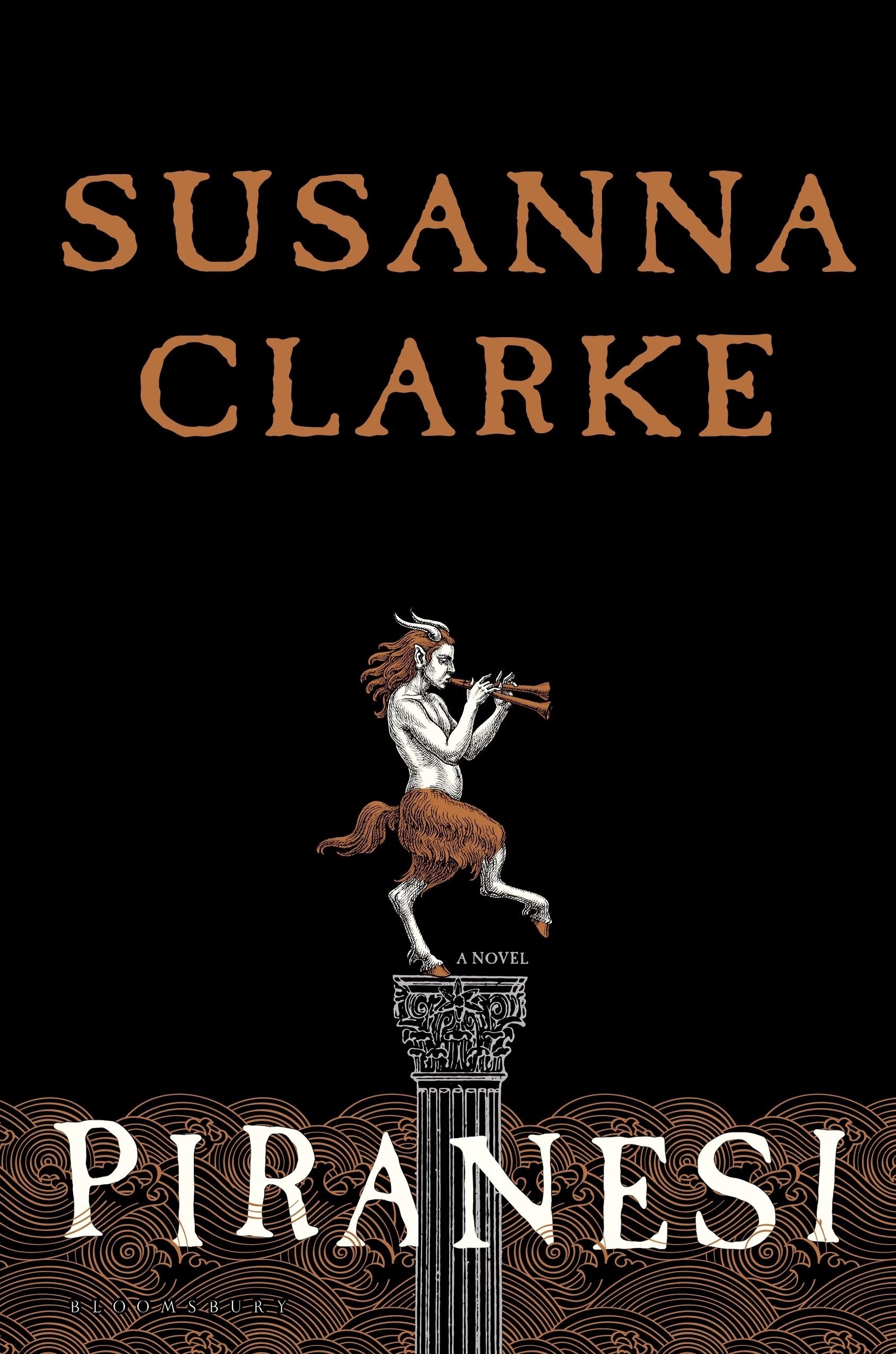
Piranesi by Susanna Clarke: A Beautifully Confusing Read

Piranesi by Susanna Clarke
Genre: fantasy
I read it as a(n): hardback
Length: 245 pp 
Her Grace’s rating: 3.5 stars
2025 Reading Challenge tasks: TND: #33 – a title you know nothing about

Piranesi is the story of a man in a strange and hidden world. He is alone but for occasional visits from the man he calls the Other, and the bones of several people.The House Piranesi lives in has endless corridors, statues, fish and sea creatures and birds, as well as an ocean that floods rooms and has tides. When the tides rise and a room floods, Piranesi is careful to move the bones of the people who were there before him so they are safe and they know they aren’t alone. Eventually, in his mission to help the Other find A Great and Secret Knowledge, Piranesi discovers that there may be a great deal more to his world and place in it than he ever could have anticipated. 

It is appropriate that the reading challenge this book fits is the one where you know nothing about the title. I really liked this book. I thought the writing style was beautiful, I loved Piranesi as a character, I thought the setting was fascinating. And I have no fucking idea what this book is actually about. 

Piranesi is the most unreliable of narrators because the House damages one’s memory the more time is spent there. The Other has an agenda of his own and is not helpful. And of course the only other people in the House are the Bone People. So readers are left to wonder where he really is, how he got there, why can’t he get out, where are all the other people, and how long has Piranesi been in the House. He keeps a journal and that is an intrinsic part of who he is. But the entries, with interesting dating systems like “the 4th day of the 8th month in the year the albatross came” are also no help.

I think Clarke wrote this as a story to be experienced rather than understood or explained. It had a very dreamlike quality to it, which I love more the more I think about it. The narrative style bears out the idea that it’s a meditation on dreaming. There is an unnatural calmness to the entire setting. Piranesi is quiet and formal in an archaic way. He’s just so very polite, as my friend said at our book club meeting. Time seems to drift and is fairly meaningless. Overall, I think it works well as a meditation on dreaming because, like dreams themselves, the story works fine on partial knowledge. You know something but don’t know why or how. It just is. Also, things that should scare the living shit out of you, like an endless house with an ocean trapped inside it, are just part of the setting and are not alarming. Partly it’s just again with that calmness. The House and Piranesi just have their own internal logic that works. It doesn’t matter if we understand how it works, only that it works. 

Another thing that I really loved, and which also fits the dreamlike narrative, is the deliberate mix of the sacred and the profane. I’ve always been interested in that (or at least have been interested since I first learned about it in college). Piranesi reveres and even worships the House. It could just be a lower-case house, a place where you live, but he elevates it to something more. The House. And it is suitable because of course it isn’t just any ordinary house. Oceans inside it, remember? Tides and sea creatures and birds. Giant statues. Bones of other people. The bones are another way Piranesi turned the profane into the sacred. He tends to the bones as best he can, keeping them clean and in order and all the bones with its respective body. He talks to them so they don’t feel alone. He has somewhat deified them. 

The whole narrative structure is not just the vehicle or container for the story. It is a major part of the story itself. When it first starts and is entirely dreamlike and drifting, it helps readers know how to feel without telling them. Then when we start to get glimpses of other places and people outside of the House, that’s the dream turning, the point where you would either wake up or the dream shifts into something else. 

There’s also maybe some commentary on academic exploitation. The Other, whose name is Ketterley, would fit right in with a dark academia novel. He’s obsessed with this Great and Secret Knowledge, and is willing to do anything and use anyone to get whatever it is he thinks he’s looking for. That’s a big contrast as well between him and Piranesi. Ketterley will exploit the House and Piranesi, whereas Piranesi cherishes the House and Ketterley. Ketterley and his whole thing is a sharp reminder about what can result when you have intense curiosity (yay!) that is divorced from compassion (oh no!). 

Spoilers below the cut!

Continue reading “Piranesi by Susanna Clarke: A Beautifully Confusing Read”
book review · books · historical fiction

Carmilla: The Sapphic Vampire Classic

Carmilla by J. Sheridan Le Fanu
Genre: horror/Gothic/Classics
I read it as a(n): e-book
Length: 108 pp
Her Grace’s rating: 3.5 stars
2025 Reading Challenge tasks:
Her Grace’s: #10 – A book that was adapted to screen
TND: #9 – Author starting with J; #48 – Under 250 pages
PS: #39 – A classic you never read (I guess technically, I read it in college but I definitely didn’t pay attention to it then)

Predating Stoker’s Dracula by about 25 years, Carmilla is the Gothic Sapphic story you are looking for. Though by no means the oldest vampire story (that honor falls to Sekhmet from Ancient Egypt, circa 1500 BCE), Le Fanu’s novella highlights many of the now-familiar tropes within the vampire canon. Mysterious, highly attractive stranger? Check. Dark and spooky castle/forest/chateau/moors setting? Check. Weirdly incestuous vibes? Shuddercheck! Homoerotic fixation? Double check! 

Le Fanu opens his story with the narrator (her name is Laura but we don’t know that until about halfway through the story) reminiscing about a past experience that has haunted – literally and figuratively – her life ever since. The story is told in snapshots of memory as though written in a letter or diary format. Or as if we are sitting with Laura and she is telling the story to us. In any case, the format of the storytelling adds to the atmospheric setting overall. 

Laura is a young girl when she first meets Carmilla, or so it is implied. She seems to meet her in a dream, though as we read, it seems more likely that Carmilla found her in real life and had somehow marked her as her own. When they meet several years later, the intensity of the connection between Laura and Carmilla reads, at times, like long-lost friends as much as lovers. And there were a LOT of Sapphic vibes throughout this short book. Laura finds herself struck dumb more than once at Carmilla’s beauty, though savvy modern folks know that’s just what vampires do. They charm us. See? 

But seriously, that guy could charm me all he wants. 

Anyway. Carmilla’s victims that we know about are all young women or children who are young enough to still be fairly androgynous. That part is super creepy. Also creepy are the incestuous vibes when the General talks about his ward, who he views as his daughter, and who was unfortunately one of Carmilla’s victims. That’s a common vampire trope, so it isn’t out of the ordinary here, except when we consider that this is one of the earlier vampire stories we have and it was written in the Victorian Era, that period of supremely repressed sexual desire and general moral chucklefuckery. 

I decided to read Carmilla because I am reviewing a retelling of it for the Historical Novels Society and wanted a refresher. I’ll post that review once it goes live on the HNS site. For now, I am glad that I reread Carmilla; it is easy enough reading, once you get used to the very long sentences, and short enough to read in one sitting. 

book review

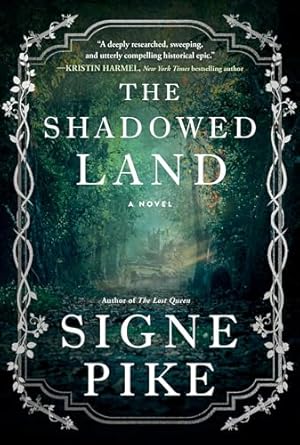
Exploring Themes in The Shadowed Land by Signe Pike

The Shadowed Land by Signe Pike
Genre: historical fantasy
I read it as a(n): audiobook
Narrator: Eilidh Beaton, Toni Frutin, Gary Furlong, Angus King, and Siobhan Waring
Length: 11:48:00 
Her Grace’s rating: 3.5 stars
2025 Reading Challenge tasks:
Her Grace’s: #15 – a retelling (Arthurian legend); #24 – Three or more point-of-view characters 
TND: #5 – Green on the cover; #30 – An author you love 
PS: #19 – Highly anticipated for 2025; #32 – An overlooked woman in history

The highly anticipated third installation of Signe Pike’s Arthurian retelling, The Shadowed Land, focuses on the reunion of Languoreth, Lailoken, and Angharad, Languoreth’s long-lost daughter. Everyone thought Angharad had died in a battle nine years before as no one could find her afterwards. She was, however, living with the Picts. Traveling with them is the warrior Artur Mac Aeden, who eventually gets summoned back to his father’s home in Dalriada, Languoreth and Lailoken go back to Strathclyde with the odious priest Mungo, and Angharad goes back to the Picts to try to convince the Druid Briochan to take her on as an apprentice. 

Maybe I just forgot some things since it was so long between book 2 and this book (I think it was at least 3 years since the previous book, The Forgotten Kingdom, was released). But it felt like a whole lot of nothing much happened. Partly, I think my reading was a bit tainted because I thought this was going to be the final book in a trilogy but then I read that it is now a series and at least one more book is planned. That honestly kind of killed most of the anticipation I had felt leading up to this book. Why does everything have to be a fucking series? Can’t anything stop at just a trilogy anymore? Or even just a single book? One book, one story. I get so sick of reading never-ending series. Most of them now just feel like selling out to make more money.

I also have no idea why we suddenly got Gladys, Languoreth’s elder daughter, as a POV character. She seemed to have zero purpose in the overarching plot. I listened to this as an audiobook and whoever they got to narrate her* was also super obnoxious. I hated her and I will never intentionally listen to any book she narrates. I don’t know how much, if any, input authors have into who is cast for their audiobook narrators, but if Pike has any say in it, I truly hope she tells them to find someone else next time. 

I did really like that there was a lot of focus on the Picts in this book. I don’t remember there being as much about them in the previous two books. I have always been intrigued by them, and we know so little about them, that it is fun to find a book that has Picts as main characters. I don’t have the print edition of this book yet – waiting for the paperback edition – but when I get that, I hope it has a little bibliography so I can check out some of the books myself. I love it when authors include a bib in their books, even if it is in no way all of the things they, themselves, read while researching. 

I also liked that there seemed to be a theme of self-discovery throughout. Each POV character, except Gladys, learned or discovered things about themselves that made them a more complete, complex character. I think it was nicely done on Pike’s part, as it showed growth that people just acquire as they age and engage in self-reflection. 

Overall, I still liked the book, but I frequently tuned out and was disappointed that it felt more like a filler or placeholder to the next book in the now-series. I wish it had stayed as a trilogy as originally planned.

*Eilidh Beaton narrates Gladys’s voice. Process of elimination by listening to samples on Audible, yay. Now she is on my Do Not Listen to This Narrator list. 

book review · historical fiction · Medievalism

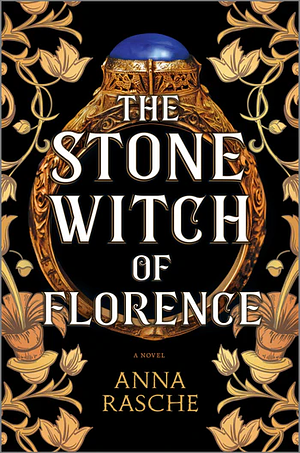
The Stone Witch: A Historical Fiction Mystery

book review · fantasy · historical fiction

Unraveling the Intrigue in ‘Flights of Treason’ by Judith Starkston

Flights of Treason (Tesha #4) by Judith Starkston
Genre: historical fantasy
I read it as a(n): digital ARC
Length: 522 pp 
Her Grace’s rating: 5 stars

Flights of Treason, the 4th and final book in Judith Starkston’s Tesha historical fantasy series, takes place about 3 years after the end of book 3, Of Kings and Griffins. Queen Tesha of Alpara and her husband, King Hattu, are facing off against Hattu’s corrupt and incompetent nephew, Great King Urhi. Adding to this already tense political situation is the fact that Traj, one of the griffin cubs from the previous book, has been lured to Hattusa where he was bound with evil magic and nearly killed. The griffin king is enraged by the harm to his son and vows to kill the sorceror who hurt Traj. Unfortunately, that sorceror appears to be Tesha and Hattu’s 4-year-old daughter, Arinnel. Magic, demons, griffins, and more converge into this exciting final novel in the Tesha series!

I loved this book so much! In the spirit of full transparency, Judith is a friend of mine. However, that doesn’t change the fact that this was an awesome read. The characters all have a great deal of growth throughout this book as well as the series overall. Tesha has tremendous guilt about her magic, which is powerful, but she refuses to use it to its full potential because of the inadvertent damage it did to Arinnel in the womb. (For that story, you’ll need to read book 2, Sorcery in Alpara.) Tesha tries to do what she can to help without using magic, and she has to work through her feelings of guilt and fear to become the queen she needs to be. Her reluctance to use her magic causes some tension with Hattu, particularly when it comes to using it to force his nephew, Urhi, to become a better king. I liked this because it felt like an actual issue that causes couples to get mad at each other in real life. It wasn’t Big Drama, it wasn’t hugely emotional or a cause to worry that Tesha and Hattu were going to call it quits. It was just one of those things that happens to any couple on occasion, and it made the novel feel that much more relatable. 

Tesha’s older, blind sister, Daniti, has a big role as well. Her previous bond with the griffins and her ability to speak telepathically to them over great distances plays a vital role in the conflict between humans and griffins. Arinnel shares her aunt’s telepathic abilities, a source of tremendous joy to both of them most of the time. Arinnel, though, has blocked Daniti out of her thoughts and, because of this, everyone fears that that little girl was, in fact, responsible for the grievous injuries the griffin cub Traj suffered. 

Marak, Hattu’s second in command and Daniti’s husband, has a slightly smaller role in this than he did in previous books, but his role remains important. He is almost as brilliant a military strategist as Hattu himself, and Marak’s diplomatic bonds with the Paskans comes into play in a very big way. I have a soft spot for Marak. He always strikes me as sort of a protective big brother who seems fierce but is all squishy around the edges. 

Flights of Treason is filled with exciting battles ranging from fighting with human armies, facing off against sorcerors, or making a stand against fantastical beasts. These scenes are all vividly depicted and they played out like a movie in my mind. 

Starkston absolutely excels at the historical details in this book, as she does in all her other books as well. The series might be marketed as historical fantasy, but it is solidly based in actual Hittite history. Many of the spells and incantations are actual documented parts of ceremonies and rituals found on clay tablets from the Hittite Empire. Her skill lies in taking those snippets of historical fact and weaving them into a fascinating new story that is both unique and also remains true to the remarkable, ancient people who provided the inspiration. 

I have said for years and years that sci-fi/fantasy is an ideal medium in which to discuss real-world issues. Flights of Treason is no different. I love the themes of fighting for one’s home, doing what needs doing even if it scares the crap out of you, and going through self-discovery to become who you are really supposed to be. These are all things that people in the real world need to do at one point or another. Maybe we don’t battle actual griffins in our life, but we sure as hell battle our own inner demons. We do things that scare us because we need to do them. We learn to define what “home” means to each of us, and then fight to keep it safe. There are so many things we do in real life that are explored in fantasy novels, barely hidden beneath the veneer of magic. In a well-written fantasy such as this, it is easy to find ourselves in the pages even as we get lost in the story.

One more thing that I really loved about this book was actually the ending. Starkston did what I wish more authors of series could do: she gave a satisfying ending with no loose threads left, didn’t make those endings feel like an afterthought by rushing through them, and yet still left openings to return to the series later if she decides to. I honestly am not sure of any other authors that I have personally read who managed to pull that off so well! Because I am a selfish creature, I want MORE Tesha books, but if such is not meant to be, then the way this one ended is the ideal way to conclude the series. 

As with the three preceding books in the series, I highly recommend Flights of Treason for the amazing world-building, complex characters, and fascinating historical details woven into every page. You will not be sorry you read this!

fantasy · sci-fi

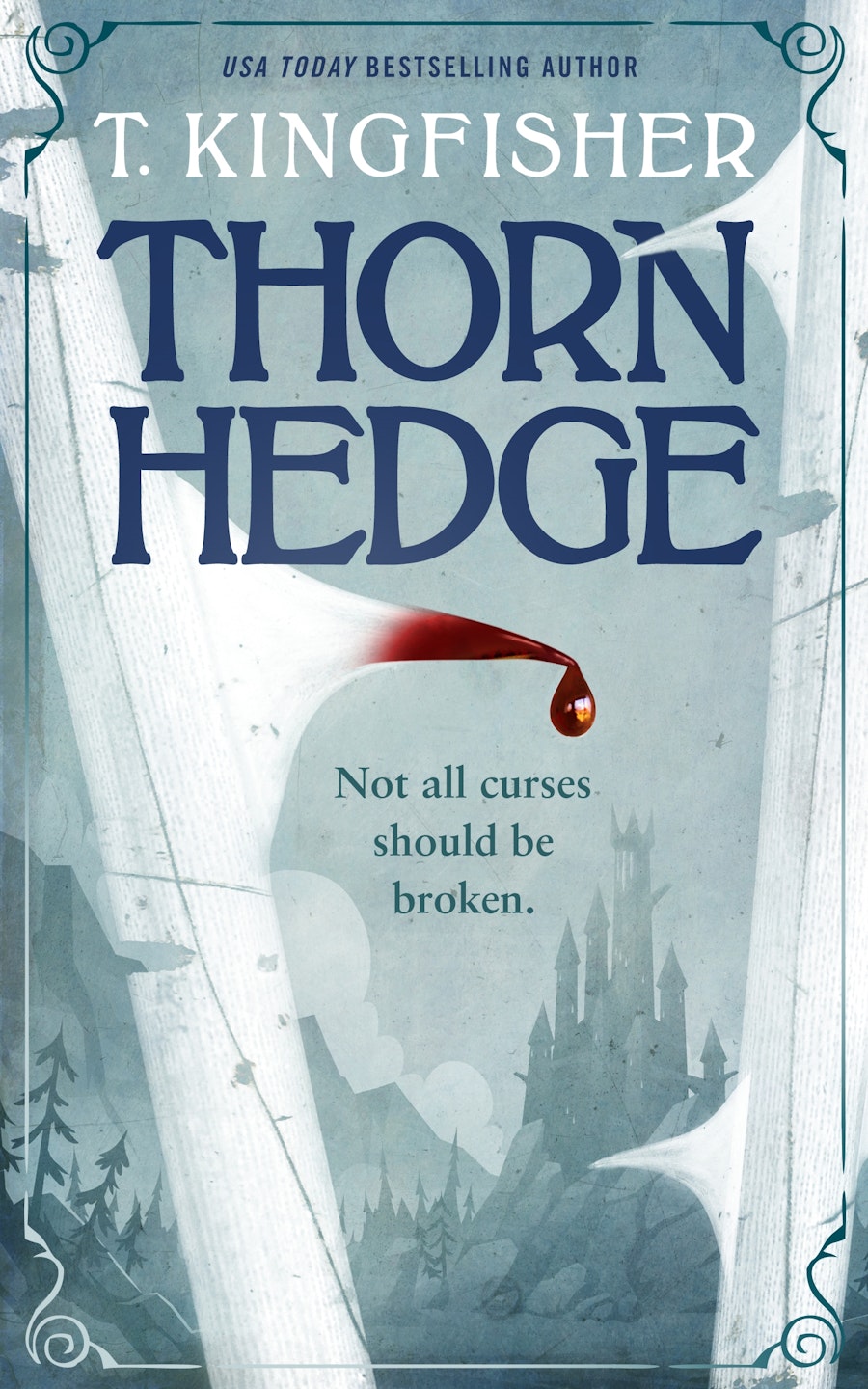
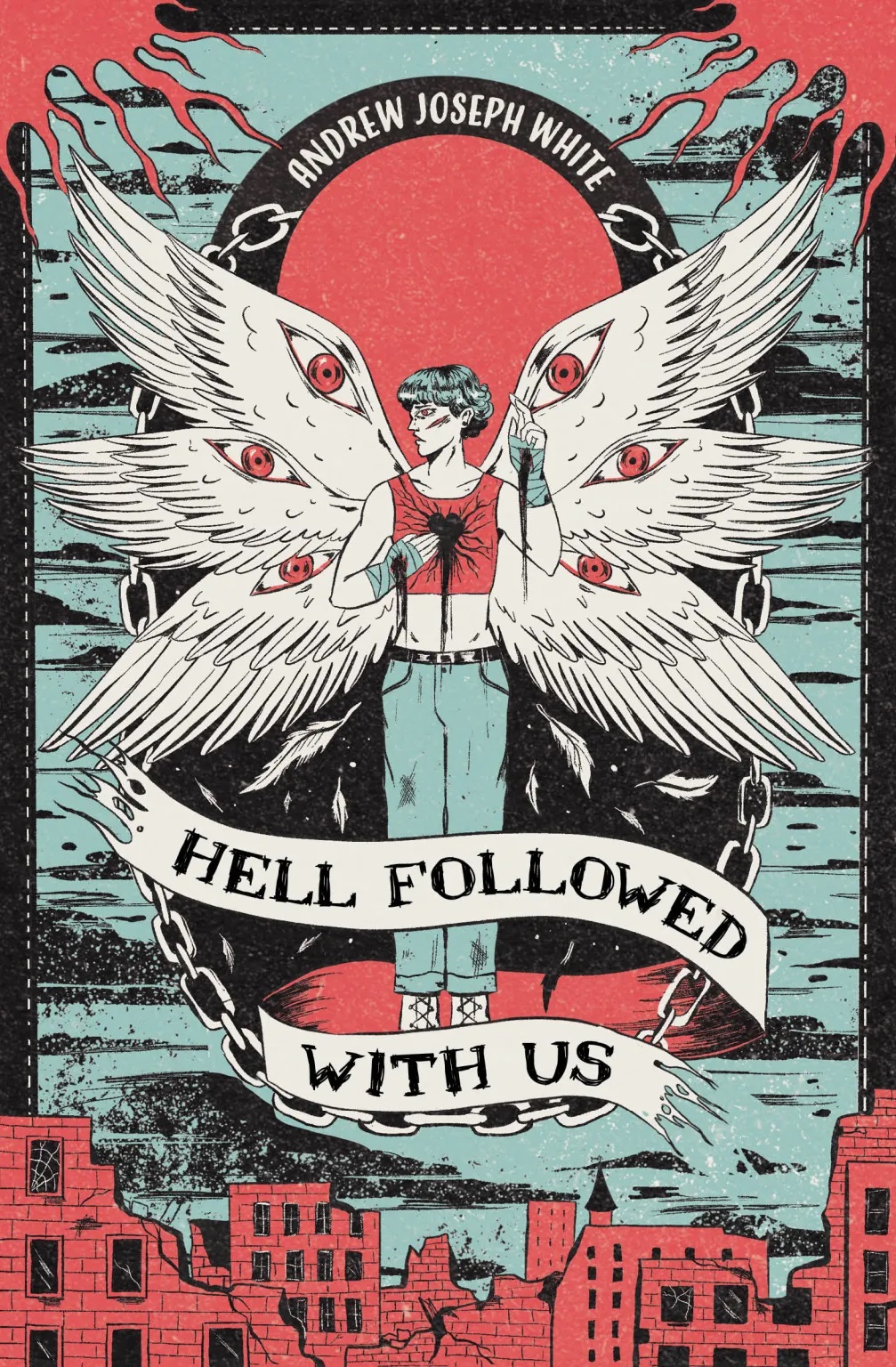
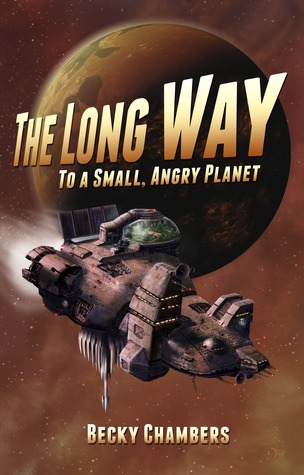
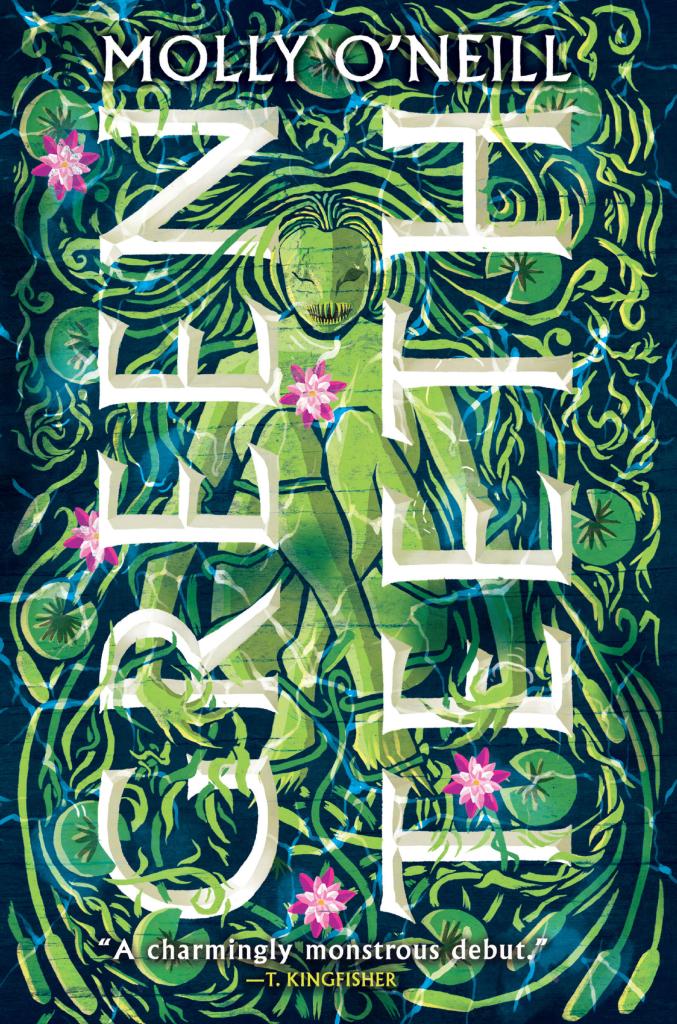
Thorn Hedge, Hell Followed With Us, and The Long Way to a Small, Angry Planet – A Catch-Up Review

Thorn Hedge by T. Kingfisher
Genre: fantasy
I read it as a(n): hardback
Length: 116 pp 
Her Grace’s rating: 4 stars

A retelling of “Sleeping Beauty,” Thorn Hedge asks, “What if Briar Rose slept not because she was cursed but to protect everybody else?” Not all curses should be broken, as the blurb says, and it’s true. Kingfisher takes a beloved fairy tale and breathes new life into it. I loved everything about this story – the atmosphere, the self-discovery, and the anxiety it gave me to think about what might happen if the Princess woke up. Also, I think there needs to be a cat at some point in my future that I will name Toadling.  

Hell Followed With Us by Andrew Joseph White
Genre: SF
I read it as a(n): paperback
Length: 398 pp
Her Grace’s rating: 3 stars

I had read White’s second book, The Spirit Bares Its Teeth, a while back and loved it. My daughter read this one first and begged me to read it, too, so I did. I enjoyed it but I was kind of grossed out. I dig a good cult book and escaping from said cult, but the body horror in this one was over the top. I loved the characters, though, and the dynamics between them all.

The Long Way to a Small, Angry Planet by Becky Chambers
Genre: SF
I read it as a(n): paperback
Length: 441 pp
Her Grace’s rating: 5 stars

I’ve had this one on my TBR for several years and I don’t know what took me so long to get around to reading it. I loved it! In some ways, it felt a bit like a more lighthearted version of The Expanse books. Not in terms of plot at all, but more in the sense of found family. It had enough action but also plenty of terrific world-building and character development. 

book review

Middle Earth March: Life Lessons from Tolkien

Happy March, friends. I like to call it Middle Earth March. I specifically look forward to March 25th each year. In the Tolkienverse, it’s the Gondorian New Year, the day Sauron fell, the One Ring was destroyed, and the beginning of the Fourth Age of Gondor. It’s often celebrated as Tolkien Reading Day, the theme of which this year isService and Sacrifice.” March 25 is also my almost-birthday. On this day, I fix many meals – first and second breakfast, luncheon, afternoon tea, dinner, and supper – and hole up with a Tolkien book. Ha ha, get it? In a hole in the ground, there lived a hobbit? Anyway. Sometimes I reread an old favorite and revisit The Hobbit or The Lord of the Rings. Other times, I’ll pick a less familiar work. It’s been probably 20 years and more since I read The Silmarillion, and I have only read Leaf by Niggle but once. Might be the year for that. Who knows? I did read The Fellowship of the Ring to my daughter for the first time a couple years ago. She was ten at the time and was mightily impressed that Frodo gets to go on a quest and see the elves and all. I think she will never forgive me for not warning her that Gandalf falls in Moria, though. She’s still mad at me for not warning her. But what could I do? I couldn’t spoil it for her. On the Gondorian New Year, I’ll definitely make all the food for her. I’m determined to make her a Tolkien fan and so far, my plan seems to be working.

As a lifelong Tolkien fan myself, it is natural for me to reread the books every few years. Each time, I discover something entirely new in them. I’ve always changed in some way between readings, grown older, hopefully a little wiser, and so I pick up new things in the text. It’s like an English trifle, each reading revealing a hidden layer to reveal some new treasure within. It’s delightful. I honestly don’t know if it is just because I love Tolkien’s works so much, or if they are just that rich, or what, because there are any number of other books that I adore and reread often but don’t find that much new in them upon rereading. In any case, there are many life lessons I have learned from Tolkien’s works. Just a few of the ones I have found to be the most meaningful are below. Continue reading “Middle Earth March: Life Lessons from Tolkien”

book review · books · fantasy · random · sci-fi

A random list of books based on an IG challenge

Greetings, fellow book nerds! I hope your summer is off to a good start and that you have many adventures to look forward to. I am looking forward to a couple short trips and, of course, making some kind of dent in my TBR. Which is hard because I seem to be in a reading slump and I haven’t read very much lately. 

Sometimes when I’m in a reading rut, I will try reading a genre that is completely opposite of the book I just finished. That often helps me get back on track. That doesn’t always work, though, and then I have to try something else. This time, I went to Instagram and dug around in the #bookstagramchallenges hashtags. I also follow the bookstagramchallenges channel to see a variety of book and reading challenges. Sometimes those are great for kicking me out of a reading rut. Plus, they’re just fun! Also, they’re like lists! I love lists. I love getting to cross things off of them. 

For this, I absolutely cherry-picked the prompts I wanted to use from a few different challenges. I went with an all science fiction and fantasy theme for these, since I’m in a big sci-fi mood. I also recognize that there are entirely too many books listed here. I had a hard time picking just one for some of the questions! 

  1. Last, current, and next reads: The Buried Giant by Kazuo Ishiguro; The Big Book of Science Fiction, edited by Ann and Jeff Vandermeer (print) and Seveneves by Neal Stephenson (audio); The Sound of Stars by Alechia Dow. 
  2. Favorite SFF series: Sci-fi – The Expanse series by James S.A. Corey; Fantasy – The Dragonriders of Pern by Anne McCaffrey.
  3. Side characters you wanted to see more of: Kamazotz, the Death Bat from Gods of Jade and Shadow by Silvia Moreno-Garcia. I guess it isn’t really a proper sidekick, but I would have a ball flapping around on a death bat while on epic quests. 
  4. Quick reads: All Systems Red by Martha Wells. We need more Muderbot in our lives!
  5. Sad reads: Never Let Me Go by Kazuo Ishiguro; “There Will Come Soft Rains” by Ray Bradbury; and several of the stories in Alexander Weinstein’s excellent collection Children of the New World, in particular the titular short story as well as “Saying Goodbye to Yang.” 
  6. Funny reads: Job: A Comedy of Justice by Robert A. Heinlein (possibly the most hilarious book I’ve ever read); Redshirts by John Scalzi; How to Live Safely in a Science Fictional Universe by Charles Yu. 
  7. Weapon on the cover: The Rising of the Moon by Flynn Connolly.
  8. Favorite mentor: Ged from The Earthsea trilogy by Ursula K. Le Guin. 
  9. Books and drinks: Split and Scumble, both from Terry Pratchett’s Discworld series! And, although these aren’t from books, honorable sci-fi drink mentions are: Green (AKA Aldebaran whisky) from the episode “Relics” from Star Trek TNG and A Warrior’s Drink (prune juice eww!) from the TNG episode “Yesterday’s Enterprise.”
  10. Unpopular opinions: Only Dune is good in the Dune series. The first rule of reading the Dune series is that you should only bother with Dune, not the rest of the books.
  11. The chosen one: Bastian Bux from The Neverending Story by Michael Ende.
  12. Revenge plotlines: Ancillary Justice by Ann Leckie.
  13. Favorite creatures: Mother Thing in Have Space Suit, Will Travel by Robert A. Heinlein; the Tendu, the frog-like beings in The Color of Distance by Amy Thomson; and the hen with a demon in her in Nettle and Bone by T. Kingfisher. 
  14. Loyal and noble: Robbie the robot, the titular character in Isaac Asimov’s short story “Robbie.”
  15. Book that I would recommend to new SFF readers: The Long Way to a Small, Angry Planet by Becky Chambers. For fantasy, I’d go with Spinning Silver by Naomi Novak or Daughter of the Forest by Juliet Marillier.
  16. Maps: There’s an awesome map in Cyteen by C.J. Cherryh. Also, I know I mentioned her several times in this post,  but the Dragonriders of Pern series by Anne McCaffrey has some excellent maps as well. I spent hours as a child poring over those, visualizing the various weyrs and halls of the planet. 
  17. Favorite anthology: The Paper Menagerie by Ken Liu; Black Thorn, White Rose, edited by Ellen Datlow and Terri Windling (any anthology edited by either of these women are excellent); and Mirrorshades, edited by Bruce Sterling. Click on the clicky-link! It takes you to a free, online version of the Mirrorshades anthology, which is awesome since it’s almost impossible to track down a copy anywhere. 
  18. Book that takes place during winter: City in the Middle of the Night by Charlie Jane Anders. Well, it isn’t winter so much as the night side of a tidally locked planet. Cold counts as winter, right? 
  19. High-flying characters: Sirantha Jax in Grimspace by Ann Aguirre.
  20. Favorite villain: Sydney from The Prey of Gods by Nicky Drayden; The Gentleman with the Thistle-Down Hair in Jonathan Strange and Mr. Norrell by Susanna Clarke.
  21. Cool animal companions who aren’t main characters: The Wolf in The Witch’s Boy by Kelly Barnhill; Solovey, the horse in The Bear and the Nightingale by Katherine Arden.
  22. Hopeful characters: Keyne from Sistersong by Lucy Holland.
  23. Rogues and scoundrels: Trouble and Her Friends by Melissa Scott.
  24. Ocean or beach setting: The Mountain Under the Sea by Ray Nayler.
  25. Bounty hunters or assassins: Warcross by Marie Lu.
  26. Droids and robots: Starship Grifters by Robert Kroese.
  27. Purple book stack: Star Trek TNG: Q-In-Law by Peter David; Sword Stone Table, eds. Swapna Krishna and Jenn Northington; Flames of the Dark Crystal by J.M. Lee; Prickle Moon by Juliet Marillier; and Smoke by Dan Vyleta. 
  28. Monthly book haul: Print books – The Rex Nihilo series by Robert Kroese, Star Trek Discovery: Somewhere to Belong by Dayton Ward, Loki’s Ring by Stina Leicht, The Blighted Stars by Megan O’Keefe. Audiobooks: Bacchanal by Veronica G. Henry, Anathem by Neal Stephenson, The Municipalists by Seth Fried, The Fold by Peter Cline, and the Themis Files trilogy by Sylvain Neuvel.
  29. Monthly wrap-up: I’ll be working my way through The Big Book of Science Fiction for quite a while. I haven’t been reading as much as usual. Also, Seveneves will take me forever to listen to because I can usually only listen when I’m driving. WFH and my kid’s summer break means that I hardly drive anywhere. So I expect that my reading stats for the month won’t be too much bigger than those two books plus The Buried Giant that I read for book club. 
book review · fantasy

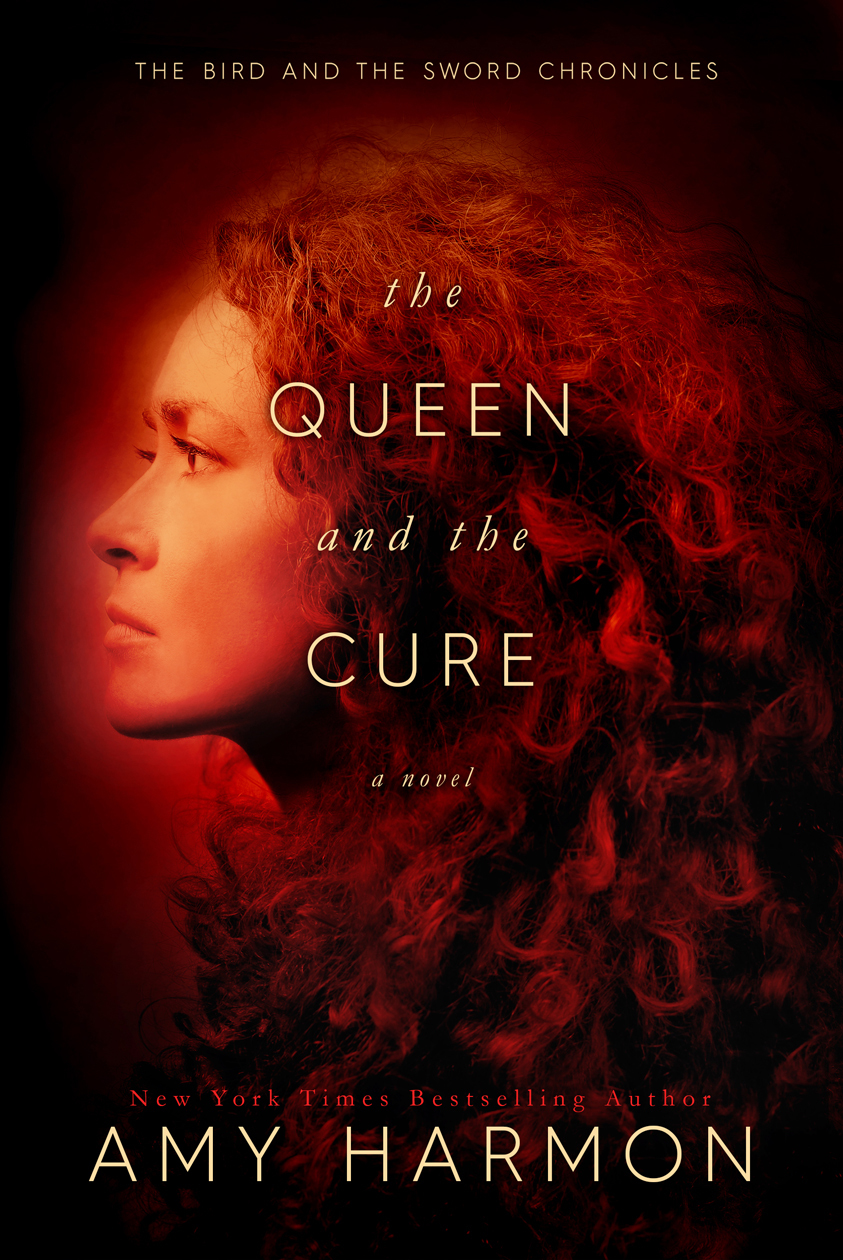
The Queen and the Cure

the queen and the cure

The Queen and the Cure by Amy Harmon

Genre: fantasy

I read it as a(n): audiobook

Narrator: Steve West

Length: 10:57:00

Her Grace’s rating: 2 out of 5 stars

Amy Harmon’s The Queen and The Cure, the highly anticipated sequel to The Bird and The Sword, unfortunately falls short of its predecessor’s brilliance. While Harmon’s writing style and world-building skills are still evident, the book suffers from weak character development, a lackluster setting, a generally weird approach to magic, and a failure to establish strong connections to the previous installment.

Character development plays a crucial role in any story, and it’s here that The Queen and The Cure stumbles. The main character, Kjell, who we met in the previous book, lacks the depth and complexity that made Lark so interesting. Actually, Kjell himself was more interesting in The Bird and the Sword than he is in his very own book. His journey felt underdeveloped, and I felt there was a sense of disconnect and missed potential. Sorsha/Saoirse was just weird to me. She doesn’t remember, which, fair. Then proceeds to wrap Kjell around her little finger, falls in love with him in turn, then discovers her true identity and just like that can return to it? Sure, it says she wanted to stay with him but couldn’t. But why? It’s not even her home to begin with that she was returning to. It was an awkward plot device just to get Kjell to Sorsha’s home and have those events transpire. The supporting characters also lacked the growth and depth necessary to become fully fleshed people on a meaningful level.

The setting, a world filled with enchanting magic, was a standout feature in The Bird and The Sword. It was woven into the politics and culture and everything else. However, in this book, it felt almost like an afterthought. Like Kjell might be able to heal, but he does so reluctantly and still with a sense of shame that he is gifted. Either make him come around to the fact that he has an awesome skill, or else work out deeper reasons for why he continues to resist. But Harmon’s descriptions about that felt lacking in detail and failed to create a satisfying explanation. 

The lackluster setting also added to the overall disappointment of the book. Maybe it’s just me but I never got any real sense of the places where the action took place. I don’t know about the kingdom Kjell traveled to, or any sense of the trip itself, or the palace once we got there. Maybe I just didn’t care about the story much by that point.

The connections to the previous book were another letdown. I had hoped for a continuation of the story and a further exploration of that world, its politics, and its characters, but other than a few of the same characters making cameos, the sequel felt disjointed and lacked a strong connection to its predecessor. The references to the events and characters from the first book felt forced and superficial.

Despite its flaws, the book still had her signature writing style, which is fluid and engaging. Harmon’s ability to craft beautiful prose is evident throughout the book, making it a pleasant read despite the disappointment in other areas. The real saving grace for me was the narrator, Steve West. He did a terrific job with his reading and made the book more interesting to me than I think it would have been had I eyeball read it.

Overall, The Queen and The Cure falls short of my expectations. I didn’t hate it but I definitely didn’t love it as much as The Bird and the Sword and I have no intention to read it again. 

book review · fantasy

The Witch’s Boy

the witch's boy

The Witch’s Boy by Kelly Barnhill

Genre: fantasy

I read it as a(n): paperback

Length: 372 pp

Her Grace’s rating: 4 out of 5 stars

Once, there were twin brothers, Tam and Ned, who built a raft to go to sea. The raft broke and Tam drowned in the river. Ned nearly died of an infection until his mother, grieving over the loss of Tam, captured Tam’s soul and stitched it to Ned. The villagers said that the wrong boy lived because Ned was never the same, speaking with a terrible stutter and not being able to read or write. At the same time in another part of the world, Aine, the daughter of the bandit king, learns that the wrong boy will help her and save the kingdom from a devastating war.

This book was pure fantastical joy. It seamlessly wove together the magical with the mundane, which is one of my favorite storytelling tropes. Everywhere in the story, there are elements of magic, from the way Ned’s mother, known as Sister Witch, captures Tam’s soul, to the forest that moves and protects those it cares about, to the standing stones and their living memories. Magic in this world is wicked, always trying to lead those who wield it to misuse it in some way. Sister Witch remained good and uncorrupted by the magic because she kept it in a clay pot in the basement. Her one time slipping up was in stitching Tam’s soul to Ned. The villagers in general are quick to leave her and eventually Ned on the outskirts of society, but are even quicker to call on her if they need help to heal a sick child or injured adult. Ned, too, is shunned and demeaned, blamed in some way for Tam’s death and treated as an idiot because he couldn’t read or write and could barely speak. 

Set as a counterweight to Sister Witch’s goodness and her resistance to the corrupting influence of the magic is Aine’s father, the bandit king. He has a talisman made from a piece of the stones that hold most of the magic in the world. The stones are ready to move into a new form and leave the world, taking the magic with them. Aine’s father, however, is driven partly mad by the magic and he is at its whim, using it for wicked deeds and lacking the strength of will to control it. 

The way people view Sister Witch and Ned explores the idea that the things we fear the most can also be a source of salvation. The dichotomy between being seen as outcasts but also as someone who is needed is a great metaphor for the dualities we face in ourselves. It also shows that embracing differences and facing down our fears can lead to self-discovery and growth.

Love and friendship are central themes in the story. The unconditional love between Tam and Ned is fairly gut-wrenching. When Aine comes along, the friendship she and Ned form help him to deal with his grief and guilt while at the same time giving Aine a new focus for her unmoored existence. The bonds that form between Ned and Aine as well as between the wolf and both children show how genuine love and friendship can help to heal, awaken hidden strengths, and inspire deep courage. The trust, loyalty, and unflagging support this unlikely group of friends share with one another transcend the social norms of both their societies and defy the expectations of all who know them. In the end, Aine’s love for her father is what redeems him, though his redemption comes at a high price, and the love Ned’s parents have for him and his brother breaks the curse he’s had of carrying a soul that is not his. All of these various relationships highlight the transformative power of love.

At its core, The Witch’s Boy is a story about the transformative power of love and the unbreakable bonds of friendship. Barnhill effortlessly captures the essence of these emotions, exploring how they can guide us through life’s darkest moments. 

Favorite line:

  • A word, after all, is a kind of magic. It locks the substance of a thing in sound or syllable, and affixes it to the ear, or paper, or stone. Words call the world into being (29).